Why Fashion Brands Need Independent Digital Experiences Not Another Website
Product
•

Fashion brands are under constant pressure to create new ways for customers to discover, understand, and interact with their products.
A new collection needs a launch page.
A campaign needs a dedicated journey.
A product may need styling guidance, virtual try-on, storytelling, reviews, booking, or a personalized recommendation.
Traditionally, brands try to add all of these experiences to their existing ecommerce website.
But this often creates a familiar problem:
A simple idea turns into a long development project.
It requires coordination between designers, developers, ecommerce teams, agencies, and internal stakeholders. Even a small customer experience can take weeks to launch and may become difficult to maintain.
There is a simpler approach.
Instead of rebuilding the website, brands can create independent digital experiences.
What Is an Independent Digital Experience?
An independent experience is a focused digital journey built around one specific customer need.
It may be:
An AI styling assistant for a new collection
A virtual try-on experience
A product storytelling page
A guided outfit builder
A campaign connected to a QR code
A personalized product recommendation
A product care and authenticity experience
An interactive promotion available in-store
Each experience has its own link and can be opened instantly through a QR code, NFC tag, social media post, email, advertisement, product packaging, or physical store display.
The customer does not need to download an app, search through a large website, or learn a complicated interface.
They simply scan, tap, or open the link and enter the experience.
One Experience, One Clear Purpose
Large ecommerce websites are designed to handle many different tasks.
They contain navigation menus, product categories, account pages, campaigns, support sections, checkout flows, and hundreds or thousands of products.
This structure is necessary for ecommerce, but it is not always ideal for every customer interaction.
A customer scanning a QR code on a jacket may not want to visit the homepage, close a newsletter popup, find the product, and search for more information.
They may simply want to know:
How can I style this jacket?
Is it available in another color?
How should I care for it?
Can I see how it looks on me?
What products match it?
An independent experience answers that specific question immediately.
There are fewer distractions, fewer steps, and a clearer path for the customer.
Launch Faster Without Rebuilding Everything
Creating a new experience should not require changing the entire ecommerce infrastructure.
Independent experiences allow brands to test and launch ideas without replacing their existing website, ecommerce platform, or mobile application.
A brand can create an experience for:
One product
One store
One campaign
One collection
One event
One customer segment
The experience can be launched quickly, tested with real customers, improved, and expanded when it proves valuable.
This makes experimentation less expensive and less risky.
Instead of waiting months to implement a large feature, the brand can begin with a focused experience and learn from actual customer behavior.
Designed for the Physical and Digital World
Fashion does not exist only inside ecommerce websites.
Customers discover products in stores, shop windows, events, pop-up shops, social media, packaging, magazines, and through other people.
Independent experiences connect these physical and digital touchpoints.
A QR code inside a store can open a styling assistant.
An NFC tag attached to a product can show its story, materials, care instructions, and matching items.
A campaign poster can open an interactive collection instead of sending customers to a generic homepage.
A product package can become the beginning of a post-purchase experience.
Every physical touchpoint can become an entrance to a useful digital journey.
Easier for Customers to Understand
Customers should not have to understand the technology behind an experience.
They should immediately understand what they can do.
Instead of presenting users with a complex platform, an effective experience gives them one clear invitation:
Try this outfit.
Ask the style assistant.
Discover the story behind this product.
Find your perfect match.
Unlock this offer.
The best digital experiences feel simple because they remove everything that is not relevant to the customer’s current intention.
More Freedom for Brands and Creative Teams
Independent experiences also give brands, agencies, and experience designers more creative freedom.
They can design journeys around a campaign or customer moment without being limited by the structure of the main ecommerce website.
The brand keeps its existing commerce system, while the experience adds a new interactive layer around it.
This means a brand does not need to choose between a standard ecommerce platform and a completely custom website.
It can keep the reliable infrastructure it already uses and create custom experiences only where they provide real value.
Test Before Scaling
Not every digital idea needs to become a permanent website feature.
Some experiences may be created for a seasonal campaign, a limited collection, a particular location, or a short-term collaboration.
Independent experiences make it possible to test:
Whether customers use an AI assistant
Whether virtual try-on increases engagement
Whether product stories influence purchase decisions
Whether in-store QR codes generate interaction
Whether a guided journey performs better than a normal product page
Brands can measure the results and decide what deserves further investment.
The experience becomes a practical experiment rather than a large technical commitment.
The Website Is Still Important
Independent experiences are not designed to replace the ecommerce website.
The website remains the central place for browsing products, managing accounts, and completing purchases.
Experiences serve a different purpose.
They create focused moments around discovery, decision-making, engagement, and post-purchase interaction.
The ecommerce website manages the store.
The experience helps the customer understand, explore, and act.
Together, they create a stronger customer journey.
From Static Touchpoints to Live Experiences
Today, many customer touchpoints are still static.
A QR code opens a normal webpage.
A poster links to the homepage.
A product tag contains only basic information.
A social advertisement sends everyone to the same landing page.
But each of these touchpoints can become interactive, personalized, and measurable.
This is the idea behind PeekTag.
PeekTag allows brands and experience designers to create focused digital experiences that can be shared through QR codes, NFC tags, links, physical products, stores, and campaigns.
Instead of rebuilding an entire website, brands can create the right experience for the right moment.
Fast to launch.
Easy to understand.
Independent from the existing website.
Connected to the customer’s real-world journey.
The future of ecommerce may not be one larger website.
It may be a network of simple, intelligent experiences—each designed for a specific customer moment.
Related insights

Why Fashion Brands Need Independent Digital Experiences Not Another Website
Product
•
Fashion brands are under constant pressure to create new ways for customers to discover, understand, and interact with their products.
A new collection needs a launch page.
A campaign needs a dedicated journey.
A product may need styling guidance, virtual try-on, storytelling, reviews, booking, or a personalized recommendation.
Traditionally, brands try to add all of these experiences to their existing ecommerce website.
But this often creates a familiar problem:
A simple idea turns into a long development project.
It requires coordination between designers, developers, ecommerce teams, agencies, and internal stakeholders. Even a small customer experience can take weeks to launch and may become difficult to maintain.
There is a simpler approach.
Instead of rebuilding the website, brands can create independent digital experiences.
What Is an Independent Digital Experience?
An independent experience is a focused digital journey built around one specific customer need.
It may be:
An AI styling assistant for a new collection
A virtual try-on experience
A product storytelling page
A guided outfit builder
A campaign connected to a QR code
A personalized product recommendation
A product care and authenticity experience
An interactive promotion available in-store
Each experience has its own link and can be opened instantly through a QR code, NFC tag, social media post, email, advertisement, product packaging, or physical store display.
The customer does not need to download an app, search through a large website, or learn a complicated interface.
They simply scan, tap, or open the link and enter the experience.
One Experience, One Clear Purpose
Large ecommerce websites are designed to handle many different tasks.
They contain navigation menus, product categories, account pages, campaigns, support sections, checkout flows, and hundreds or thousands of products.
This structure is necessary for ecommerce, but it is not always ideal for every customer interaction.
A customer scanning a QR code on a jacket may not want to visit the homepage, close a newsletter popup, find the product, and search for more information.
They may simply want to know:
How can I style this jacket?
Is it available in another color?
How should I care for it?
Can I see how it looks on me?
What products match it?
An independent experience answers that specific question immediately.
There are fewer distractions, fewer steps, and a clearer path for the customer.
Launch Faster Without Rebuilding Everything
Creating a new experience should not require changing the entire ecommerce infrastructure.
Independent experiences allow brands to test and launch ideas without replacing their existing website, ecommerce platform, or mobile application.
A brand can create an experience for:
One product
One store
One campaign
One collection
One event
One customer segment
The experience can be launched quickly, tested with real customers, improved, and expanded when it proves valuable.
This makes experimentation less expensive and less risky.
Instead of waiting months to implement a large feature, the brand can begin with a focused experience and learn from actual customer behavior.
Designed for the Physical and Digital World
Fashion does not exist only inside ecommerce websites.
Customers discover products in stores, shop windows, events, pop-up shops, social media, packaging, magazines, and through other people.
Independent experiences connect these physical and digital touchpoints.
A QR code inside a store can open a styling assistant.
An NFC tag attached to a product can show its story, materials, care instructions, and matching items.
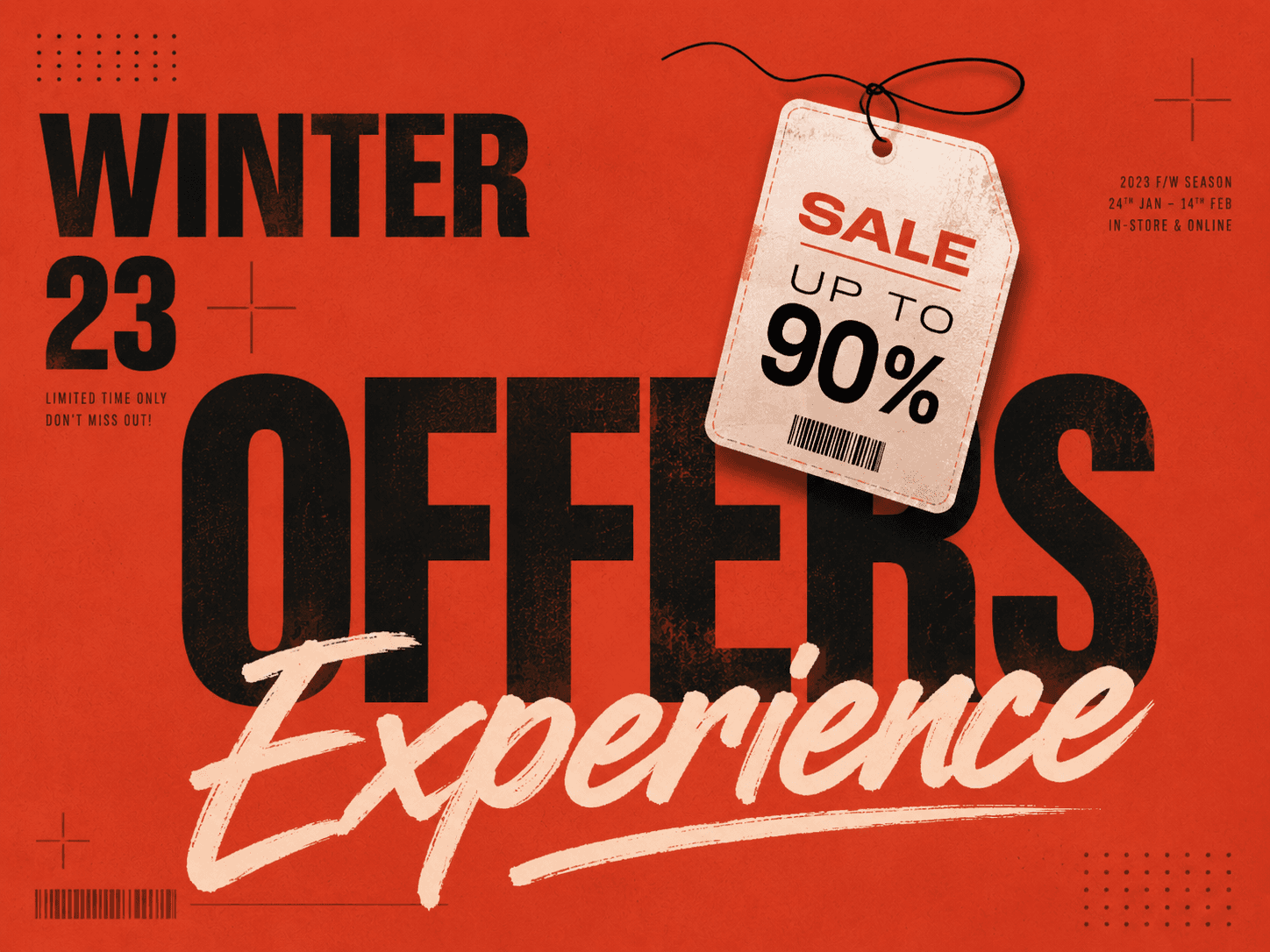
A campaign poster can open an interactive collection instead of sending customers to a generic homepage.
A product package can become the beginning of a post-purchase experience.
Every physical touchpoint can become an entrance to a useful digital journey.
Easier for Customers to Understand
Customers should not have to understand the technology behind an experience.
They should immediately understand what they can do.
Instead of presenting users with a complex platform, an effective experience gives them one clear invitation:
Try this outfit.
Ask the style assistant.
Discover the story behind this product.
Find your perfect match.
Unlock this offer.
The best digital experiences feel simple because they remove everything that is not relevant to the customer’s current intention.
More Freedom for Brands and Creative Teams
Independent experiences also give brands, agencies, and experience designers more creative freedom.
They can design journeys around a campaign or customer moment without being limited by the structure of the main ecommerce website.
The brand keeps its existing commerce system, while the experience adds a new interactive layer around it.
This means a brand does not need to choose between a standard ecommerce platform and a completely custom website.
It can keep the reliable infrastructure it already uses and create custom experiences only where they provide real value.
Test Before Scaling
Not every digital idea needs to become a permanent website feature.
Some experiences may be created for a seasonal campaign, a limited collection, a particular location, or a short-term collaboration.
Independent experiences make it possible to test:
Whether customers use an AI assistant
Whether virtual try-on increases engagement
Whether product stories influence purchase decisions
Whether in-store QR codes generate interaction
Whether a guided journey performs better than a normal product page
Brands can measure the results and decide what deserves further investment.
The experience becomes a practical experiment rather than a large technical commitment.
The Website Is Still Important
Independent experiences are not designed to replace the ecommerce website.
The website remains the central place for browsing products, managing accounts, and completing purchases.
Experiences serve a different purpose.
They create focused moments around discovery, decision-making, engagement, and post-purchase interaction.
The ecommerce website manages the store.
The experience helps the customer understand, explore, and act.
Together, they create a stronger customer journey.
From Static Touchpoints to Live Experiences
Today, many customer touchpoints are still static.
A QR code opens a normal webpage.
A poster links to the homepage.
A product tag contains only basic information.
A social advertisement sends everyone to the same landing page.
But each of these touchpoints can become interactive, personalized, and measurable.
This is the idea behind PeekTag.
PeekTag allows brands and experience designers to create focused digital experiences that can be shared through QR codes, NFC tags, links, physical products, stores, and campaigns.
Instead of rebuilding an entire website, brands can create the right experience for the right moment.
Fast to launch.
Easy to understand.
Independent from the existing website.
Connected to the customer’s real-world journey.
The future of ecommerce may not be one larger website.
It may be a network of simple, intelligent experiences—each designed for a specific customer moment.